AI Films · AI for brands
AI perfume ads: how to make a fragrance video
By Ekaterina Danberg · November 2026
AI video suits perfume because a fragrance ad has always sold a mood, and a mood can be generated. The bottle has to come from reality: glass, cap, label and juice color taken from photographs of the real product and checked frame by frame. I haven't made a perfume film yet, so this is how I'd approach one, based on my jewelry work.
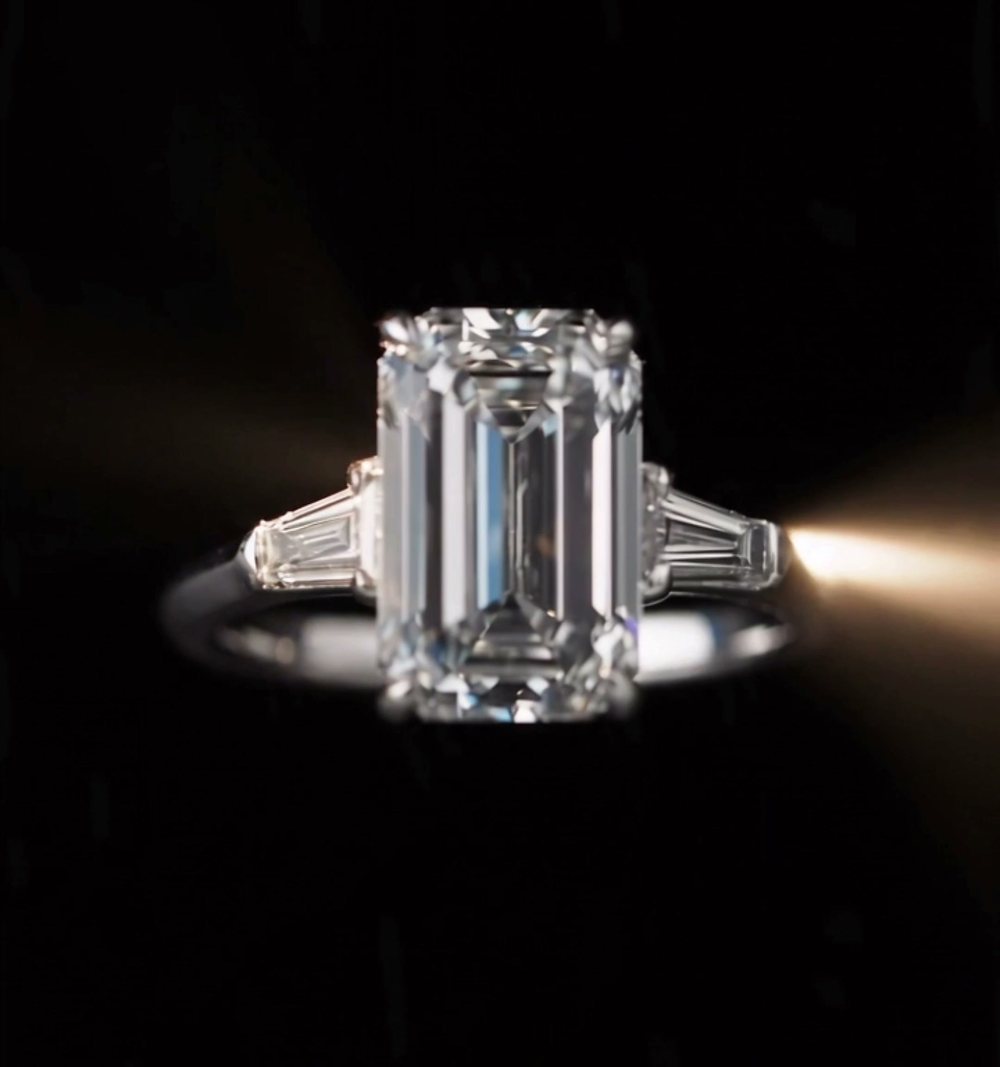
My closest work is an AI jewelry ad: clear faceted stones, polished metal and a product that had to stay the same object from cut to cut. A perfume bottle asks for that discipline plus two things a ring doesn't have, liquid and a printed label. Where I'm extending from jewelry into glass and juice, I say so, and I'd run a test on your bottle before promising any of it.
Nobody can smell a video
A fragrance film has two jobs. It gets someone to imagine a scent, and it makes them remember which bottle that scent came in. The imagining can be invented from nothing. The bottle is what they'll look for at a counter or on a retailer's page, so it's the one element in the film that isn't allowed to drift.
| In the film | Generate it? | Where it comes from |
|---|---|---|
| World, weather, landscape, story | Yes | Your brief and the scent story |
| A character who wears it | Yes, with disclosure where the law asks | A character sheet built before any video |
| Bottle in a hand or on a surface | Yes, then compared with the original | Photos of the filled bottle, two to four angles |
| Label, logo, engraving | No | Your artwork, placed on the shot in the edit |
| Spray and mist | Only after a test | A real spray filmed against black if the test fails |
| Final packshot | No | A real photograph or your existing 3D model |
| Raw materials shown as ingredients | Only if the formula backs it up | Your claims sign-off |
Glass and juice: what I'd check on every take
Metal reflects the room. Glass also shows what's behind it, bent by the shoulders and the thick base, and a clear bottle that has reflections painted on with no bending behind them looks like plastic. I haven't tested this on a perfume bottle. On the jewelry ad I named one light source and judged every surface against it, and I'd start the same way here, with these extra checks at full size:
- The heavy glass foot. On many bottles it's the design signature, and I'd expect a model to thin it out.
- The dip tube. In clear glass you can see it, along with its curve and where it stops. It's a small thing to lose and a fragrance person will look for it.
- Fill level. The juice sits at the same height in every cut unless the script says otherwise, so it goes in the continuity sheet I write before any frames exist.
- Juice color. Amber juice shifts in warm light, so I'd lock it against a photo taken in daylight on white.
- Collar and cap seam, where the metal meets the glass and where the cap sits when it's on.
- The liquid surface when the bottle tilts. It stays level and it moves late, because the bottle moved first.
Perfume briefs make prompting harder, since the genre's own vocabulary is shimmer, haze, smoke and glow. Generators act on the nouns you give them. In a dinner scene of mine, one line about a wisp of smoke from a single candle gave me smoke from every candle on the table. If your scent has an incense note, I'd test that shot on its own and keep it away from the bottle, so a bad take doesn't cost us the product shots around it.
A label is text, and generators guess at text
Precise small graphics fail even when you state them plainly. On one promo I asked an image model for a clock with both hands on twelve, one on top of the other, and it got it wrong four times out of four. I stopped regenerating and moved the detail over from the approved frame at its measured position. For a label I wouldn't ask the model at all. The shot is generated with a plain label area, and your real artwork goes on in the edit, tracked to the bottle. The same goes for an embossed logo on a cap.
Scent notes count as claims
This is general information and not legal advice. Article 20(1) of the EU Cosmetics Regulation says that text, names, trade marks, pictures and other signs can't imply characteristics a product doesn't have. The common criteria for cosmetic claims add that a claimed ingredient has to be deliberately present, and that claims need evidence "whether explicit or implicit," with an exception for hyperbole the average user won't take literally.
A film makes those lines concrete. Dawn in a rose field for a fragrance built on a rose accord may imply something the formula doesn't contain. I don't know of a ruling on that exact situation, so I'd ask whoever signs off your claims before we write the shot. A woman trailing golden clouds of scent through a city is plainly hyperbole. A clock racing to "12 hours later" with the scent still present is a longevity claim, and it needs a test behind it. If a generated person appears in an ad running in New York, General Business Law section 396-b requires a conspicuous disclosure when the advertiser knows a synthetic performer is there.
How I'd build 15 seconds
- 0 to 3 seconds. Something happens before the bottle is seen: a door opens on weather, a hand goes to a collarbone.
- 3 to 7 seconds. The character in the world of the scent, two cuts at different scale, something soft and out of focus in front of the lens.
- 7 to 10 seconds. The bottle arrives inside the scene at hand scale, generated from your photos and lit by the one source already established.
- 10 to 13 seconds. A macro across the glass and juice with a named reason for the light to travel: a passing car, a curtain, a person crossing a lamp.
- 13 to 15 seconds. The real packshot, with the name on screen for at least two seconds after the edit.
That's five separate generation problems, and I'd want three to five test frames approved before any of them becomes video. The best first project is a flanker or a limited edition, because the bottle shape already exists and the brief is to make a known scent feel like a new place. It also works for testing two or three worlds for one launch before you commit to a location shoot. If you have one in mind, that's the AI film work I take on. Judge it by sample and discovery-set requests from the people who watched, since a view count tells you little about a product nobody has smelled.
What I'd ask you to send
- The filled bottle on a neutral background from the front, back, three-quarter and top, with no blown highlights on the glass.
- A macro of the cap, collar and label.
- One photo on white in daylight, to lock the juice color.
- Vector files of the label and logo, plus the box artwork.
- Bottle dimensions and a photo of a hand holding it, so scale stays honest.
- A 10-second phone video of the spray against a dark wall.
- The scent brief, the words your brand never uses, and your approved claims list.
- A physical sample if you can ship one. I compare far better with the object on my desk.
What a fragrance person spots first
- A cap that changes shape or finish between cuts.
- Mist leaving the nozzle with no finger pressing down, or coming from the wrong place on the head.
- A fill line that jumps from one shot to the next.
- Melted letters at the edge of the label as the bottle turns.
- A 100 ml bottle held the way you'd hold a 30 ml one.
- Reflections with no room in them, so the glass seems to float.